
prepping for meal prepping
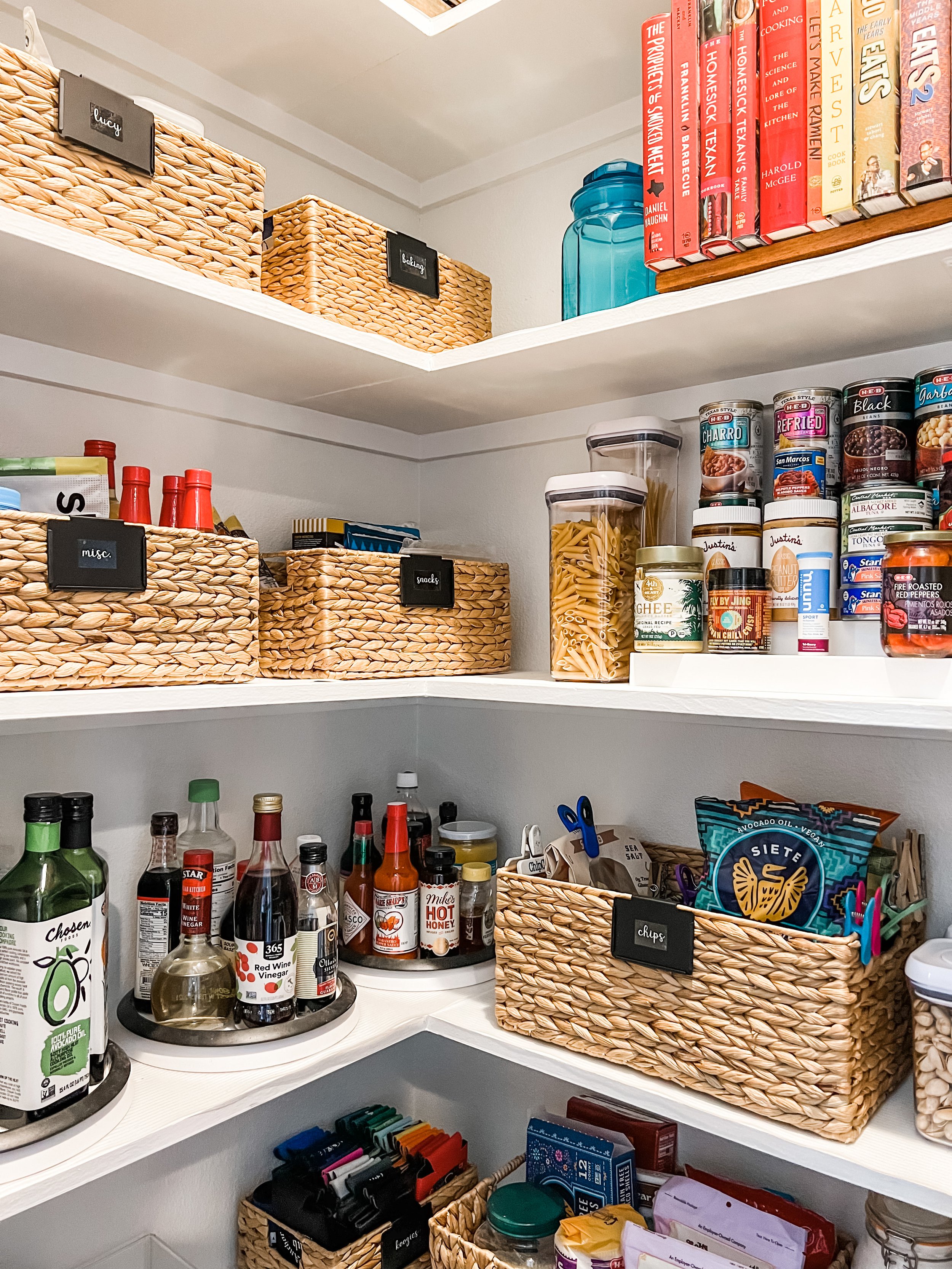
Happy August, friends! We find ourselves back at the time of year when lazy summer days must turn into rhythmic and ordered weeks. No matter how many years of this seasonal change you have under your belt, there is always an adjustment period during this month. One of the ways your home and routines change is that your meal schedule becomes more systemetized and scheduled. Brunch and Lupper stretch back into separate and distinct Breakfast, Lunch, and Supper. Here are some tips to make meal planning and prepping a little smoother as you and your family pick up your pace for the coming fall.
what’s your goal?
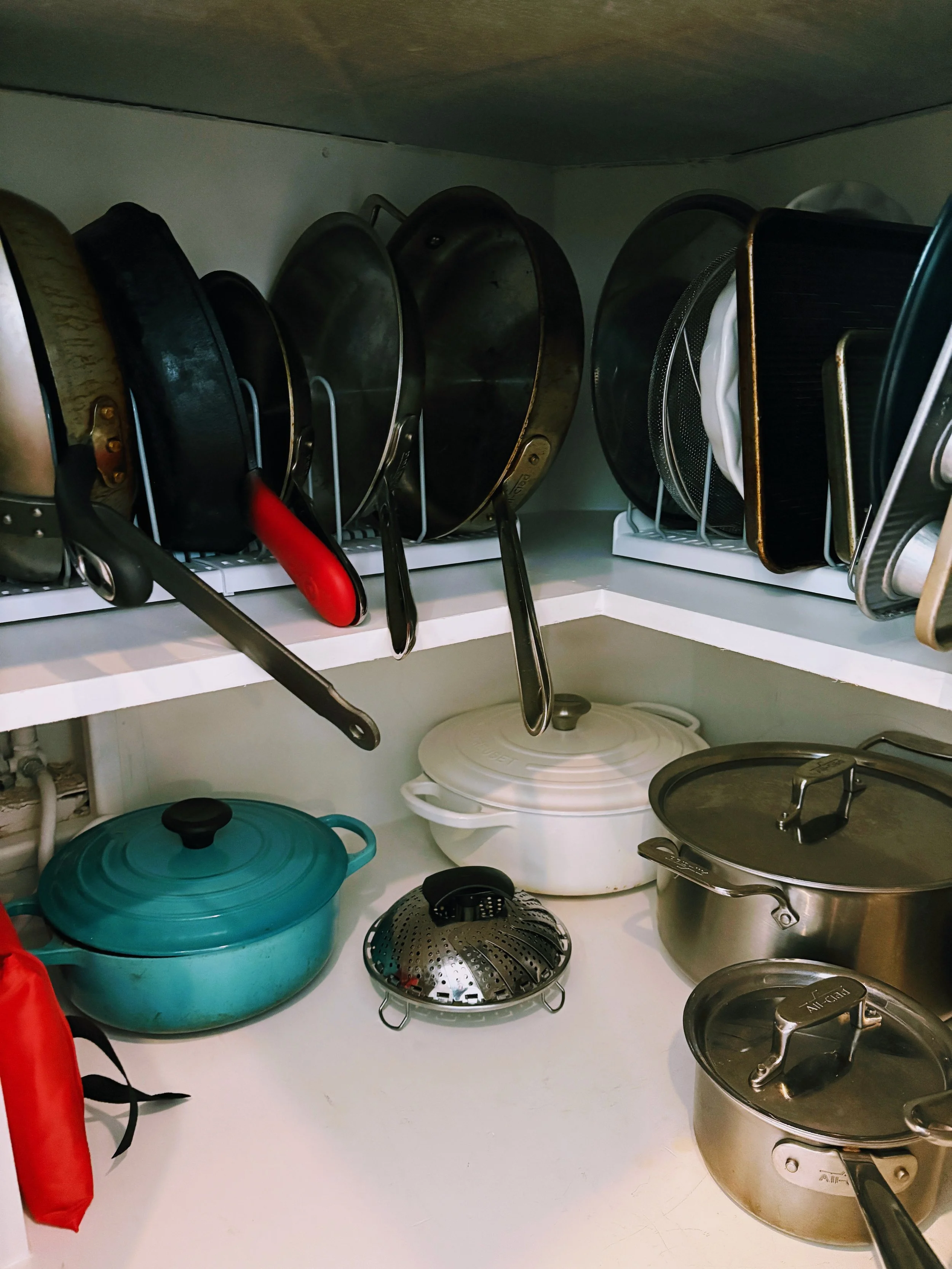
It's important to consider the "why" behind your desire to meal plan and prep. Do you see cooking as a creative outlet, or are you just trying to retain your sanity while keeping the munchkins from devolving into hangry little demons? Are you hoping to eat more healthily, or trying to reduce a habit of wasting food? Are you in a season where you need to save money on groceries, or have you made a mid-year resolution to try a new recipe every week? All of these considerations will inform your decisions regarding recipes and ingredient stocking.
calenderize
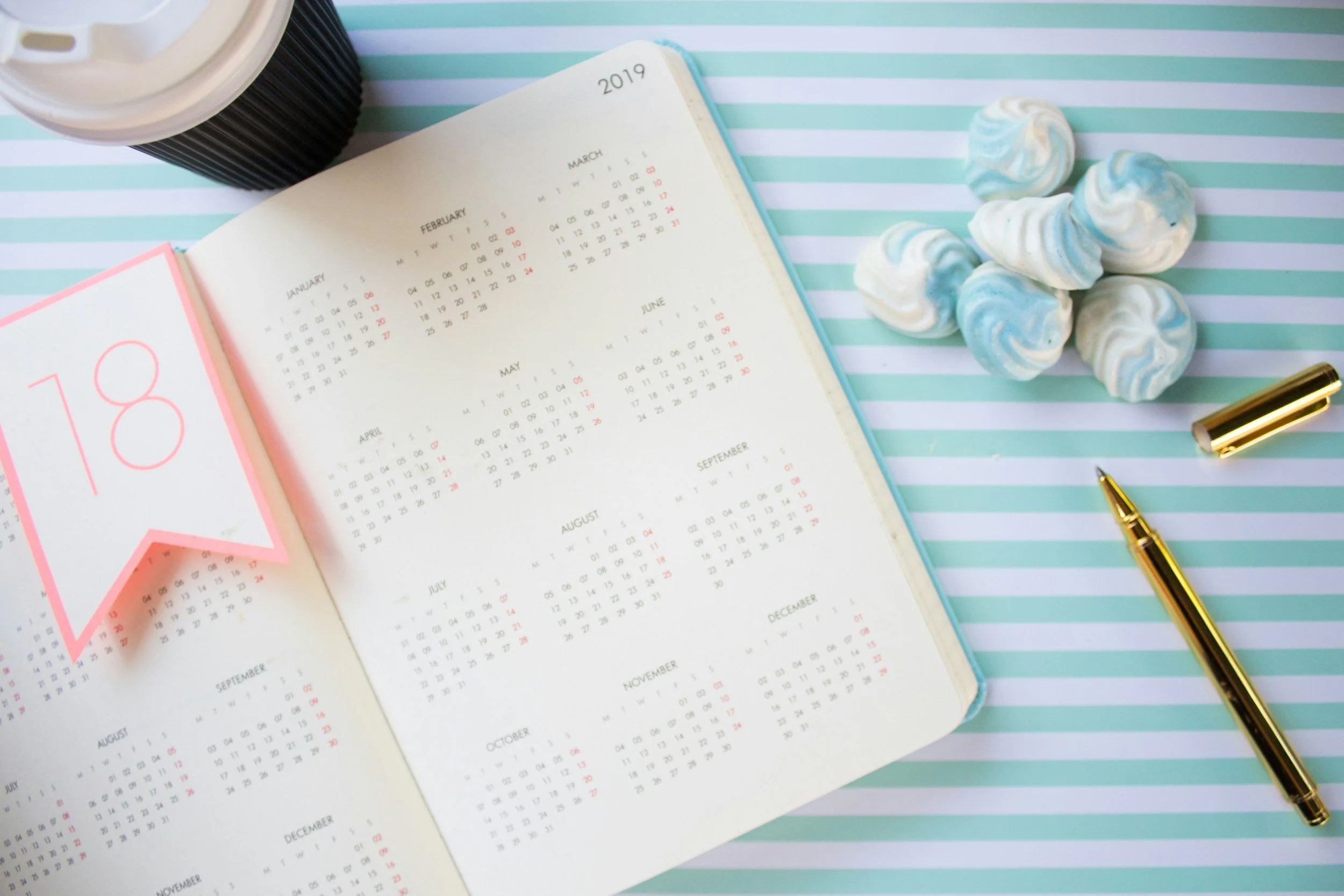
Once a week (or whatever cadence works for you), sit down to look at your calendar. (I do this on Saturdays, as my family tries to take Sundays as Sabbath.) Fill in the obligations of the upcoming week, including work, school, sports practices, dinner engagements, appointments, and travel plans. Then notice when you have chunks of available time. This is when you can potentially do some meal prep! Don't sweat it if your only available time is in the evenings when you're already making dinner. This time can still be harnessed well.
When it comes to deciding how many meals to make, we like the 3-1-1 rule: 3 fresh meal nights, 1 night for leftovers, and 1 flex night. The flex night can be for going out, for takeout, for a brainless backup (more on this later), or a fresh meal if you are up to it! The point is to allow yourself some breathing space, a break from the obligation of a rigid plan.
take stock of the pantry and freezer
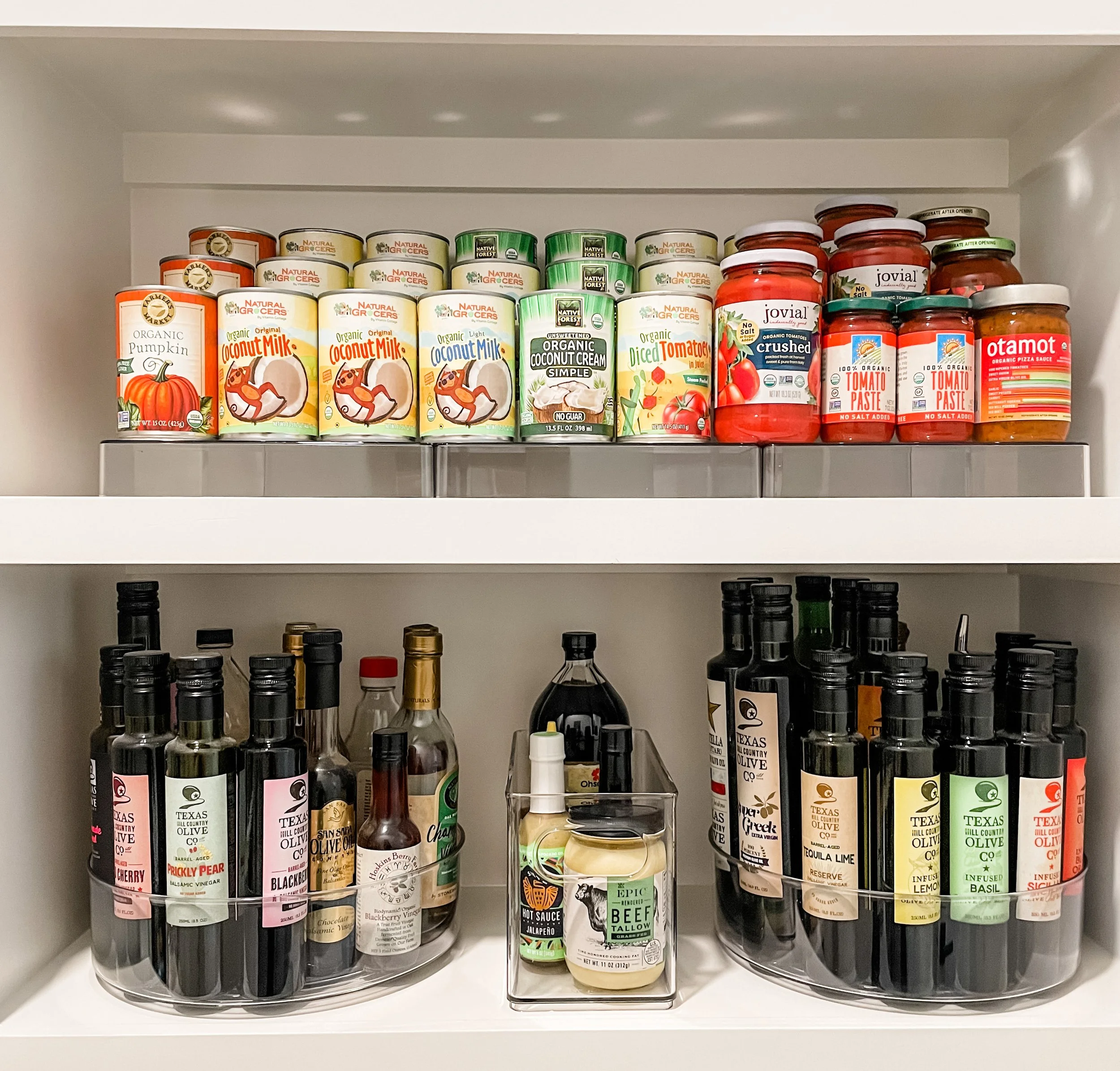
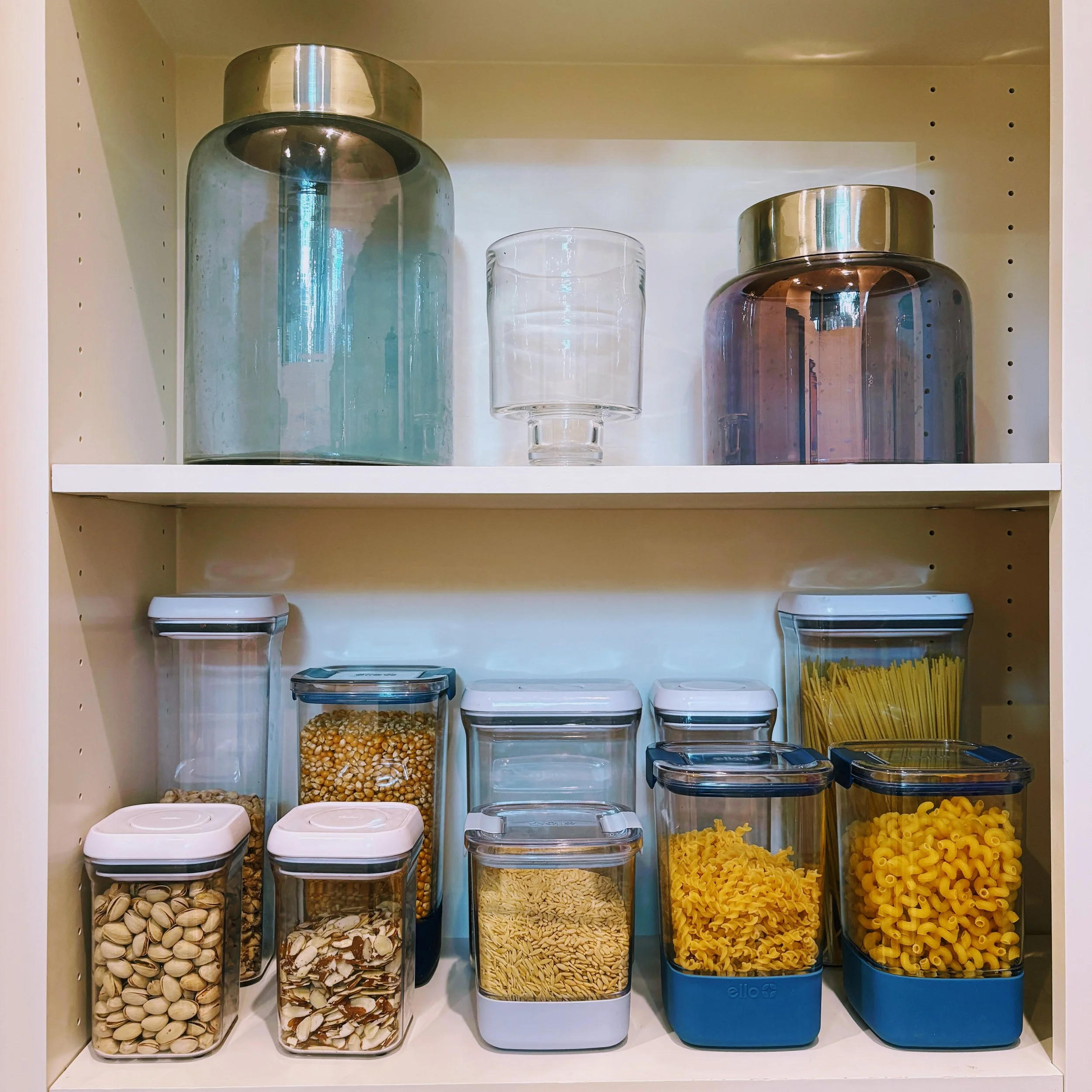
Don't neglect this step, as it will save you time and money in the long run. Take inventory of the canned and boxed goods you already have on hand and the meat and frozen pizzas that are already in the freezer. Potentially, you already have all or most of the ingredients you need for one of your signature dishes, and won't need to add those items to your grocery list.
Also note what fruits and veggies you have that need to be eaten or otherwise used or will go to waste. Those strawberries can go in baked oatmeal, and that spinach can be frozen for future soup-ing.
the short list
I'm a nerd (that's probably evident by now) and I have a specific notebook where I keep my meal planning calendar, my pantry stock list, and my important recipes. The list of recipes—organized by the main meat ingredient—includes dishes that I know everyone loves and that don't take much brainpower to put together. (Admittedly, I've been working out the kinks of this list for about 4 years, and I know it will only evolve as our family grows. This is me giving you permission to change your list as your seasons change and your family changes, too.)
Most of my starred recipes include many of the same ingredients. I've learned to keep such ingredients stocked at all times. This includes items like canned beans and tomatoes, coconut milk, ground meats, frozen broccoli, oats, and chocolate chips. (This is not an exhaustive list, to be sure, but chocolate chips are paramount and therefore worth mentioning.) I encourage you to keep stocked the ingredients you find yourself using most often. If you use up your last can of tomato sauce, add a few more to your grocery list or online grocery cart without further ado. This way, if you find yourself in a pickle on any given Thursday evening, you're more likely to be able to whip something up that resembles a complete meal because of your well-stocked pantry.
Also, every time I go to Costco, I get a rotisserie chicken. It's just a good idea in every way.
brainless back-ups
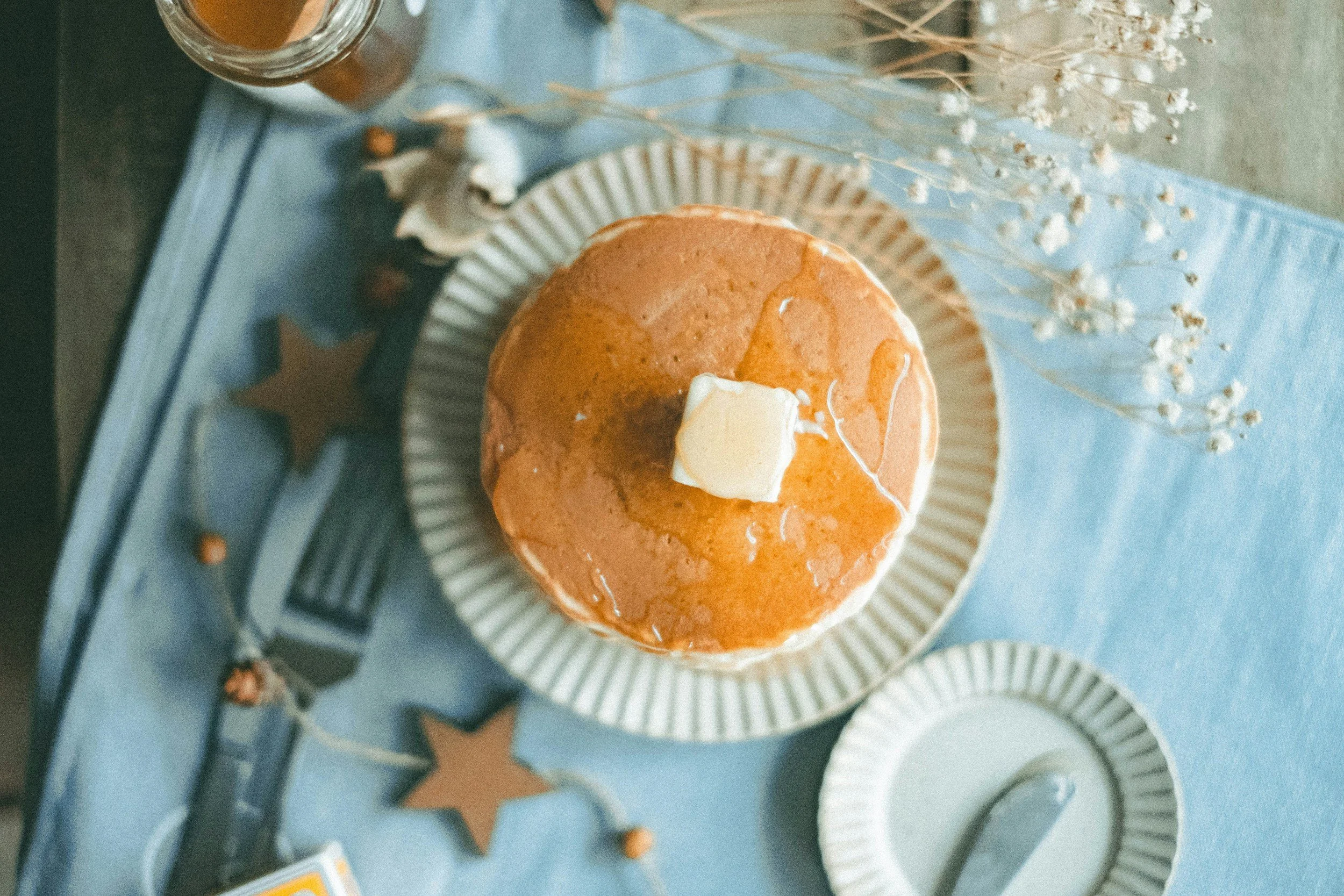
And then there are days in which a meeting goes long or a kiddo comes home from school early and you just don't have the time or capacity to stick to your scheduled meal plan. For days like this, keep on-hand ingredients for brainless back-ups. For my family, the options are breakfast (eggs, grits, sausage), pancakes, and grilled cheese with tomato soup. Decide once what your brainless back-up options are (that’s part of what makes them brainless), and do not feel guilty when you need to employ them.
And, honestly, sometimes we just order pizza. And I don’t feel guilty about that, either.
batching
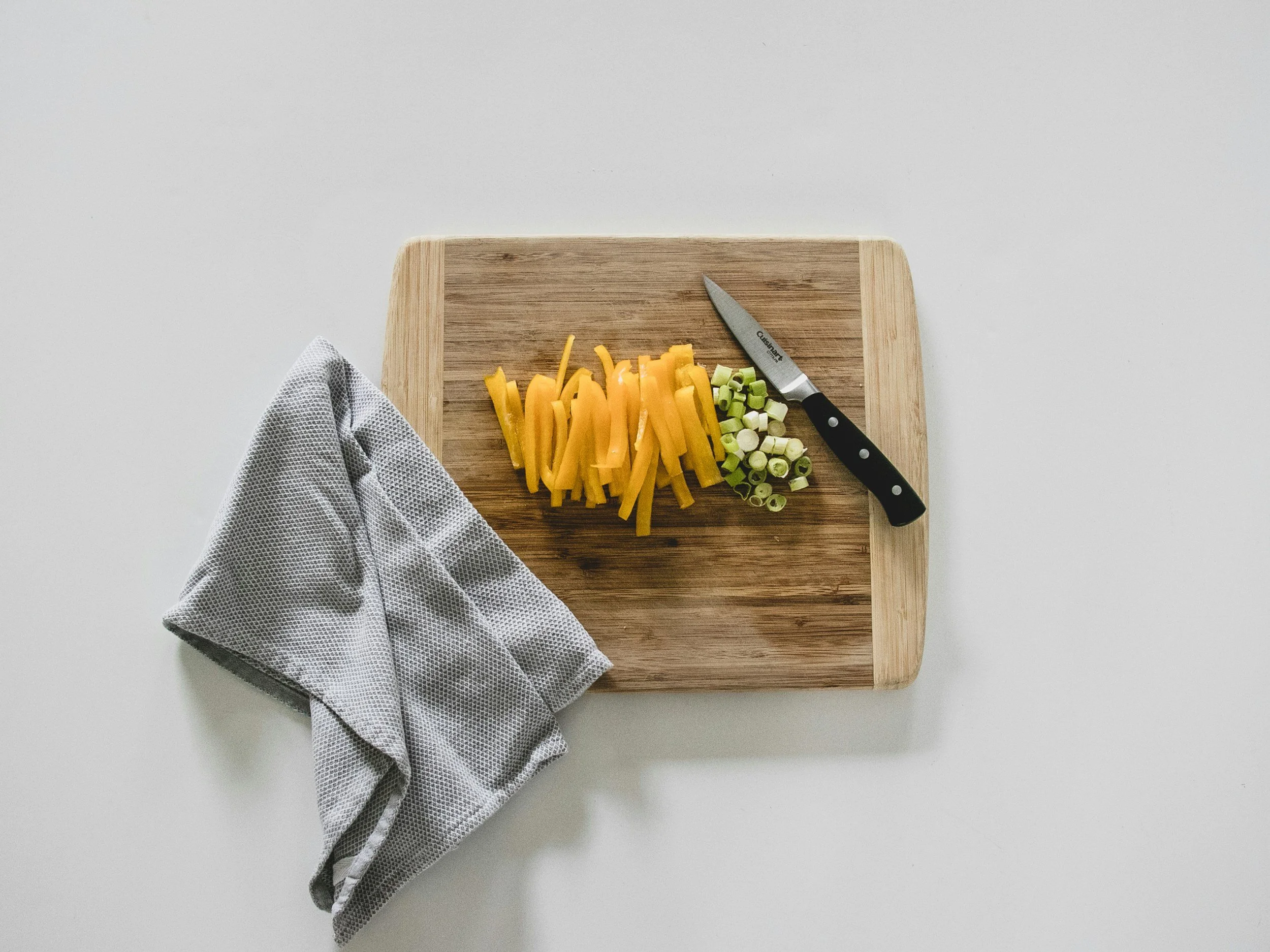
I will readily admit that I hate chopping stuff. To me, it's tedious and decidedly not creative. I'd rather be mixing ingredients together and taste-testing and adding more salt or cinnamon to find the perfect flavor balance or licking the mixing bowl clean. So, I've learned to batch.
While I have the cutting board out and I'm in the zone, I'll chop lots of veggies and/or meat at once, either freezing for future meals or storing in the fridge for later in the week. And boy, does future-me thank past-me for thinking ahead. I highly recommend kitchen scissors, which make the process a smidge more enjoyable (and safe, if you’re clumsy like me) than using a knife.
Vegetables aren't the only food you can batch. Already making muffins? Double the recipe and freeze some for running-late mornings. Already making soup? Double the recipe and freeze some for an aforementioned brainless back-up option, or if a family member gets a cold and just wants something warm and cozy.
after dinner, pack lunch
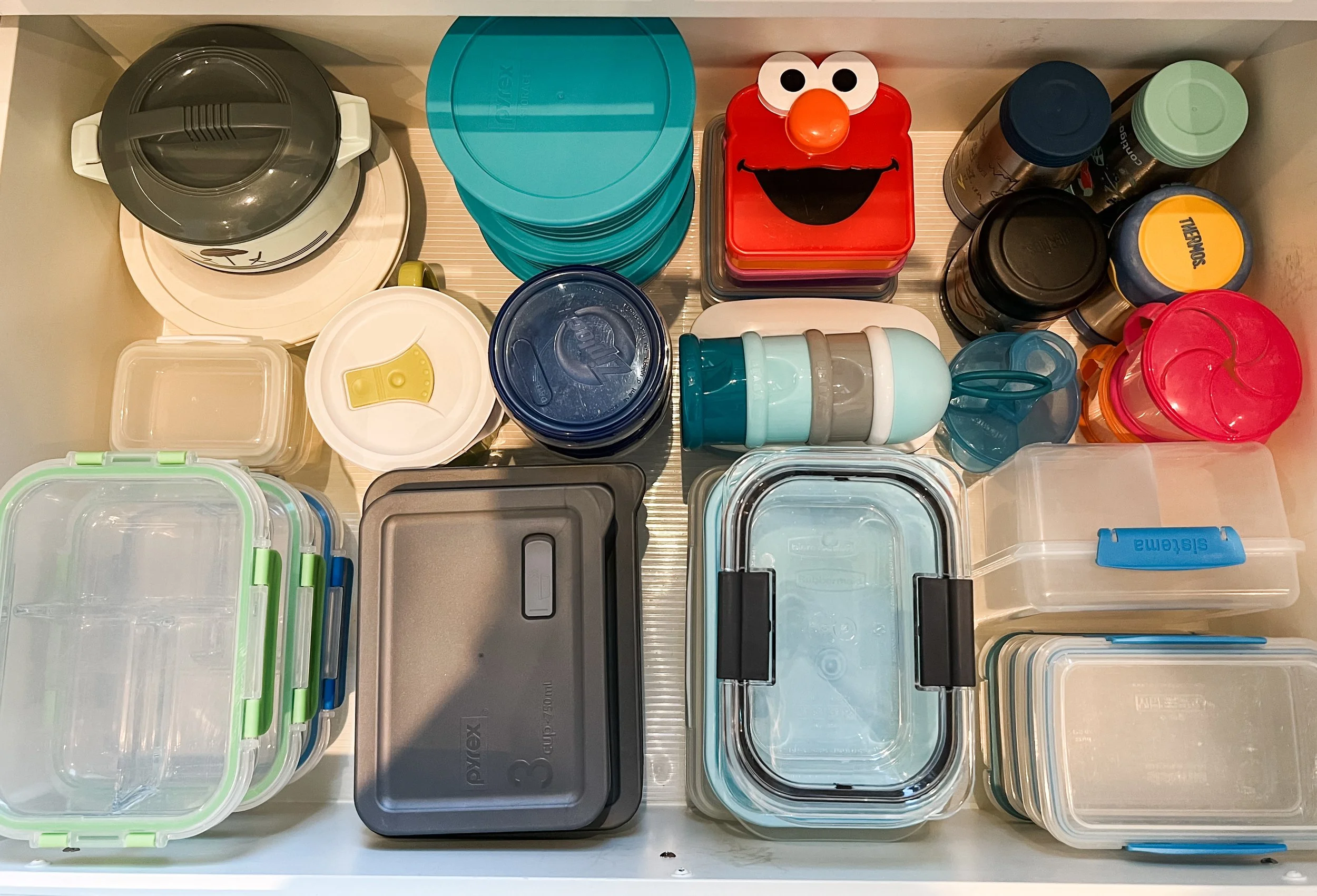
You're already in the kitchen. You've already done all the messy bits. You've got to put away the leftovers anyway, so why not go ahead and pack what you can of tomorrow's lunches? While you eat, let the food cool then immediately package it into respective containers for whoever will be enjoying the leftovers. Rinse the grapes, put the crackers in the snack bags, portion the dressing into the cute little squirt container. Presto! Three things you don't have to do in the morning.
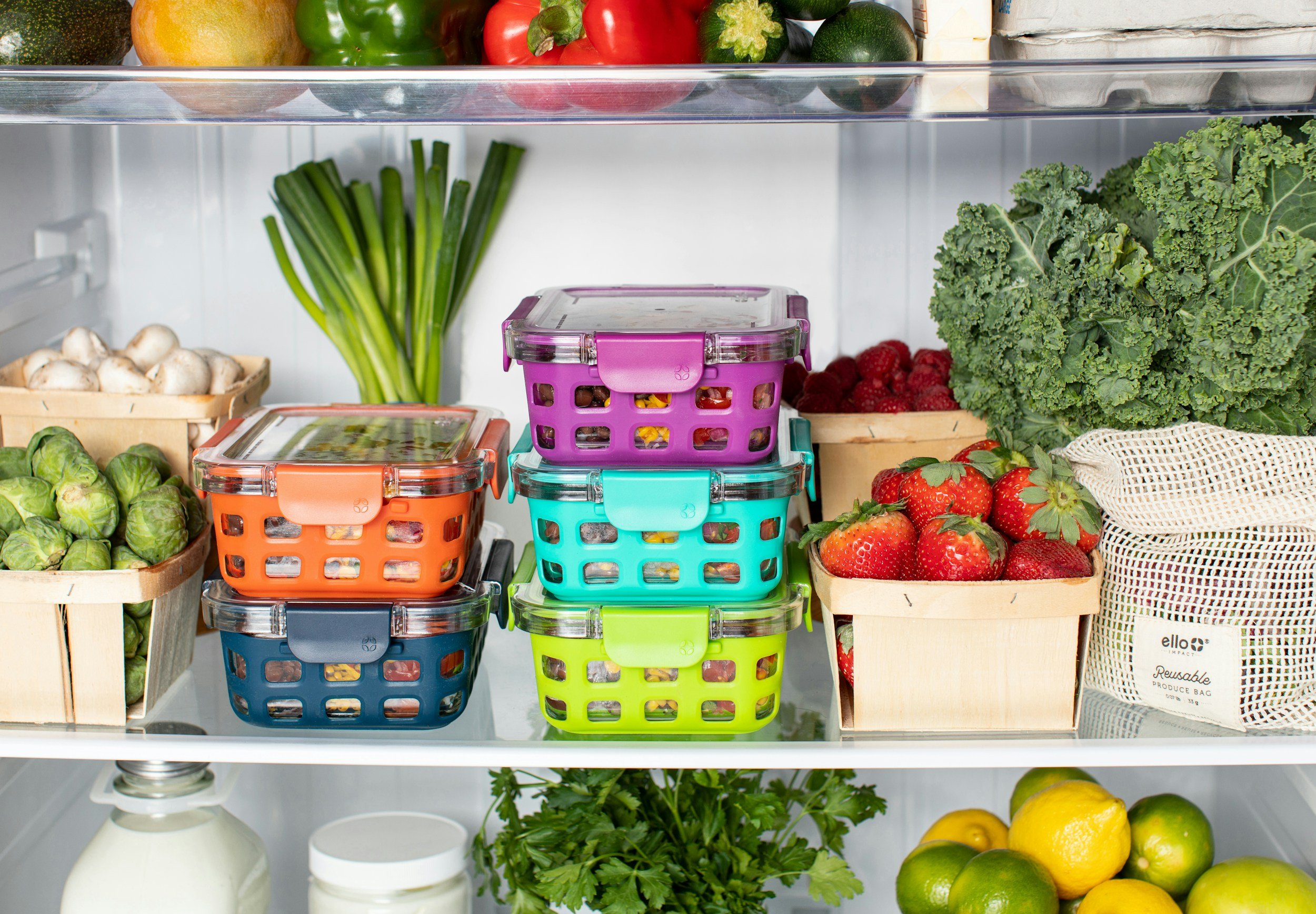
For bonus points, use different containers for different members of the family or for different meals. I use these Ello containers for my lunches (the purple ones) and my husband's breakfast (the green ones), and slightly larger Pyrex for his lunches (he's a big guy, he needs lots of calories). On the days he leaves the house before I get up, he knows by sight which containers hold HIS food for the day, and he packs his cooler with swift efficiency. You're welcome, dear.
fridge organization
My hubby also knows on which refrigerator shelf to find his prepped food, and that's because I've implemented an organizational system in our icebox.
-Top shelf holds fruits and breakfast items.
-Middle shelf is vegetables and snacks.
-Bottom shelf is thawing meats and leftovers/hubby's prepped meals.
-The drawers hold cheeses (we love cheeses here) and other lunch-able or snack-able items, or overflow that doesn't fit anywhere else on any given day. It's a flex drawer, if you will.
My husband also knows where his snack shelf is located in the pantry. But that's a blog for another day.
Whatever your goal, whatever your schedule, whether your favorite foods are Italian or salads or ice cream, meal planning and prepping are important investments toward the health and flourishing of your family. It doesn't have to be complicated, and your rhythm doesn't have to look like the Jones'. All it has to do is fuel your body to be able to work and play. And while you’re at it, you may as well make it delicious.
If you think you'd like help arranging your fridge or pantry to better accomplish your meal prepping goals, reach out to Whitney at hello@simplifiedaustin.com. We LOVE a good pantry reorganization. We believe systematic kitchens are foundational to a well-oiled home, and we'd be honored to help you achieve that in your space.